
Postnatal was never the afterthought

Postnatal was never the afterthought I can’t point to the moment it happened, but somewhere along the way we ‘forgot’ about the postnatal period. Not the immediate first days, but those early weeks that support a parent to lean into their instincts or to simply allow themselves to be, rest and recover. If you’re thinking about becoming a postnatal doula, this is the part of birthwork you’re drawn to, and it’s the part that got forgotten Not the immediate first days, but those early weeks that support a parent to lean into their instincts or to simply allow themselves to be, rest and recover. Why postnatal gets treated as the afterthought Attending births was the sexy thing. There is awe and magic in attending a birth. Don’t get me wrong, I’m not saying that it is simply those things, it is other things besides. I’m saying that we somehow have forgotten the awe and magic and the messiness of the postpartum period. You might have heard it described as jobs: laundry, cooking, tidying. Maybe part of you wonders whether it’s “proper” doula work at all. So let’s be clear. A postnatal doula supports a family through the weeks after birth: holding, nourishing, protecting rest, and knowing when to escalate. You may even consider it the ‘Cinderella’ of doulaing, and so you undervalue both the work and yourself, leading to you charging less or perhaps not even training at all. The day my friends turned up with buckets I have an incredibly strong memory of my own early postnatal period after I had given birth to twins. Everyone had gone back to work and the novelty of me and twins had worn, or was wearing, off. The doorbell rang. I was tired. The babies had just settled. And now there’s some f*cker at my door. I opened the door and saw two friends carrying buckets, yellow gloves and bags. “Go back to bed or whatever you were doing” they said. “We’re not here to see either you or the babies. Don’t mind us”. As I sat back in my rocking chair, moving in and out of sleep, I could hear their voices laughing and chatting as they deep cleaned my kitchen and my bathroom. Then they gave a gentle knock on my living room door and said “Right, turn the oven off in 45 mins. See you soon”. And like that they were gone. That’s postnatal doulaing. Nobody asked. Nobody needed thanking. The need was met and they left. My babies are 22 now and it remains my most precious postnatal memory. Like family of old, they came in and met a need that I hadn’t articulated. Every culture has a name for it Globally there are so many different names for the early weeks of postpartum. Postnatal care was the centre long before birth became the main event. Across cultures, the weeks after birth were protected: 40 days, lying in, cuarentena, confinement. I bet if you were to look into your own heritage and traditions you would find the name for it within your ancestry. In my Jamaican heritage, those first weeks had a shape. There was the wash: a warm bath of bush herbs (soursop, fever grass, leaf of life and guava leaves) boiled to soothe the body and draw out pain. Hot teas to sweat out the cold and stop it settling in the joints and womb, and the belly is bound. The food included cornmeal porridge, fish tea, callaloo, ginger and guava. Nobody was thinking about how they would bounce back. It was about nurturing and recovering. There was deliberation in naming my doula training organisation. Abuela means grandmother. The grandmother was the postnatal doula. Sankofa comes from the Akan people, meaning to go back and retrieve. There is so much richness in our heritage for us to go back for. The recipes, the traditions, the way we support and hold, the different roles. What happened to the village What has happened to us is that we’ve become increasingly separated from family. Our ‘villages’ have become separated by concrete walls and bricks. We are taught to get on with our individual lives and so the ‘old ways’ of community gets lost. Families were separated from their elders, birth became a clinical event, and the culture shifted to bouncing back. The need didn’t go away. The people who met it did. The “new” practices being sold now (closing the bones, belly binding, baby carrying, healing foods and oils) are traditional knowledge, rebranded and often stripped of where it came from, sold as a wellness add-on, no lineage named, priced so the communities it came from can’t afford it. If you learn these practices, learn them with their roots. What becoming a postnatal doula asks of you If you’re drawn to this work, you’re stepping into the oldest part of birthwork, not the leftovers. “Go be someone’s buckets and yellow gloves” – Mars Lord Is postnatal doula work real work? Yes. It’s skilled work and it’s paid work. Treating it as the cheap add-on was a choice the sector made, not a truth about the job. Train for it properly and you can price it properly. And you don’t need to train as a birth doula first to do it. Postnatal is its own work. It always was. When you train as a postnatal doula, the tasks are real and skilled. They’re also the way into the house, not the whole job. The job is holding, nourishing, protecting rest, noticing what isn’t tiredness, and knowing when to escalate. Postnatal was never the afterthought. If it’s what you’re drawn to, trust that. Postnatal Sankofa trains it as the central work it is: traditional practices taught with their roots, feeding support and signposting, the Five Anchors, boundaries, safety and escalation, and the business side. Then go and be someone’s buckets and yellow gloves. Postnatal Sankofa When Birthwork Calls Birthwork Pathway Anti-racism Pathway Postnatal Sankofa3 to 6 November 2026. Booking
Same Syllabus, Different Doula Training
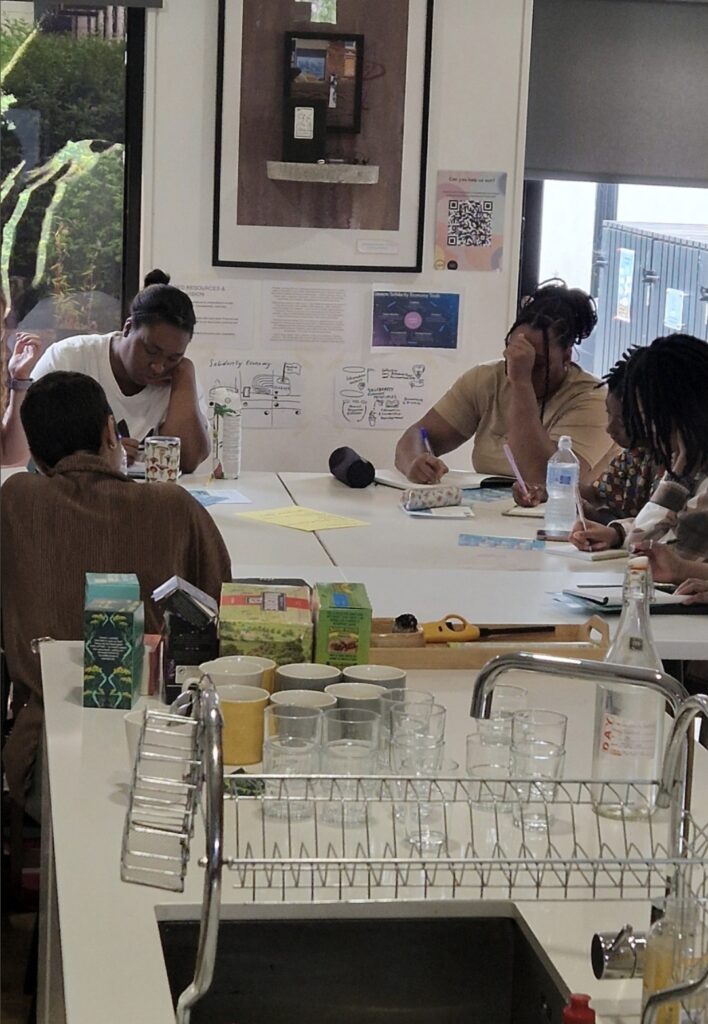
Same Syllabus, Different Doula Training Two courses can have almost the same syllabus. Physiology of birth. Postnatal support. Infant feeding. Loss. Business. On paper they look identical. In the room they are nothing alike. Let me tell you why it makes a difference for anti-racist doula training The difference is the framework: the lens every topic is taught through. Content tells you what a doula does and Framework tells you who the doula is doing it for, what the system is doing to that person, and what you are going to do about it. Here’s what it looks like A content-led course teaches you the signs of pre-eclampsia whereas a justice-led course teaches you the signs of pre-eclampsia, and then asks why a Black birthing person reporting those signs is more likely to be told to go home and rest. Then it teaches you what to say when that happens, and how to escalate. A content-led course teaches postnatal support as a checklist, but a justice-led course asks who is at the door after the birth, who is being watched, and why. In over twenty years at the bedside, I have watched Black families find social services involved faster than white families in the same circumstances. A content-led course has a session on cultural competence and a justice-led course has culture running through every single session, because culture is present at every birth, every postpartum, every feeding choice, every loss, and every interaction with health professionals When Birthwork Calls Anti-racism Training Birth Doula Course Postnatal Doula Course “We don’t want inclusive practice as an optional extra” – Mars Lord You can pick up extra content anywhere. You cannot unlearn a lens that taught you racism was an optional extra. That is why, when choosing UK doula training, the framework matters as much as the content. Arguably more. Choose the lens before you choose the course. Next: What to look for
Do I need to be a birth doula before I train as a postnatal doula?

Do I need to be a birth doula before I train as a postnatal doula? No, you don’t. You don’t need to have supported a single birth. You need to want to walk with families through those early weeks after birth, and you need the right training to do it well. Postnatal doulaing is the forgotten part of birth work. Not forgotten by families but by the system, and by the training routes that put it second. Why do people think they need birth training first? You may never have done any doula work before, but you find yourself pulled by what happens after birth. You want to be what families need in those weeks: their mother without the politics. You want to nurture and nourish people, because you can see that’s what’s missing after birth. Yet somehow you’ve managed to pick up the belief that you need to do birth training first. That can come from the way training is set up. I’ve done it too. Postnatal doulaing isn’t the second half of birth work. It’s its own work, and I train it that way. What can happen is that you invest in training that you’re not going to use, so that you can get to the bit that you actually want to pursue. What can also happen is that fewer families are served because fewer people are trained, and this matters because that early postnatal period can really affect what the ongoing postpartum looks like. I remember a client with twins that I was supporting, and her partner had a very little leave and they had no family close by. Their health visitor told them that they needed to be careful of the voices that they listened to and that hers was the only one that mattered. Then she told them she was going on leave for two weeks. What this client needed was someone that she knew would be with her as she navigated feeding two babies, feeding herself and how she managed her day to day, including getting rest whilst responding to their needs. Nobody notices this once family and health professionals have gone. Nobody. When Birthwork Calls Anti-racism training Birth Doula Courses Postnatal Doula Courses So what is a postnatal doula? Someone who walks alongside a family through the postnatal period. They hold, nurture and nourish the person who has given birth, helping them listen to their instincts, or learn them, about what they want and need. Some postnatal doulas are fully hands on, cooking and helping with basic household tasks. Some keep an eye on rest, infant feeding and the mental load. Most do a combination of it all. In practice, you arrive, pop the kettle on, check who has and hasn’t eaten, and put the dishes away. You bring peace and a sense of order to what can feel chaotic or overwhelming. You make breakfast, or even second breakfast (got to love the hobbits), and keep an eye on the baby or babies so your client actually gets to eat. You’re not too young, too old, nor do you need a medical background to do a postnatal doula course. You don’t need to be a caterer or a professional cleaner. These aren’t required skills. Not many arrive with experience, which is what the training is for. In Abuela Doulas training, we gather the stories and experiences of the group and build our pictures of what a postnatal doula looks like and does. The work is different to what a birth doula does, and whilst knowledge of how birth works is important, that’s something that we also cover in the training. Families want your time. They don’t want you taking over, and they need to know you’re not running your own agenda. You’ll be there as part of their support team, not, for example, telling them which method of infant feeding they should be following. You’ll recognise what is tiredness and what is not. You’ll know when to refer to other services eg perinatal mental health, drop in groups, lactation support. When the initial flurry of visitors and help fades, you’ll be there, holding your client. ” You want to be what families need in those weeks: their mother without the politics.” What is Sankofa? We talk about Sankofa, going back to retrieve knowledge, culture, tradition, customs. Here in the UK so many traditions have been lost. It’s not that they were never here, it’s just that we don’t talk about them and they have faded from memory. So many other cultures have rest built into the postpartum and the UK doesn’t, on the whole. We can be so keen to ‘get back on with things’ that we lose these moments of rest that set us up for optimal recovery. It used to be that there was a lying in period. In fact, the first time a new parent ventured out was to present the baby at church. It was called churching, a Christian ceremony that blessed and thanked a mother after she had recovered from having a baby. Churching marked the end of the lying in period and welcomed the mother back to church and life. This happened about six weeks after a birth, and the last remnants are seen in the six week postnatal visit to a GP. You’re not there to bring back churching. You’re there to bring back what sat underneath it: rest that’s expected, protected, and held by someone other than the person recovering. What do you learn on Postnatal Sankofa? Postnatal Sankofa is a postnatal doula training course run over four days, in North London, with Rubí Rodríguez-Nieto, and you don’t need to have trained as a birth doula to be in the room. Two of those days are hands on. You learn the traditional practices the postnatal world keeps rebranding as new, from around the world and from your clients’ own heritage: closing the bones and belly binding, baby carrying, healing foods and oils,
What Doula UK Approval Doesn’t Tell You
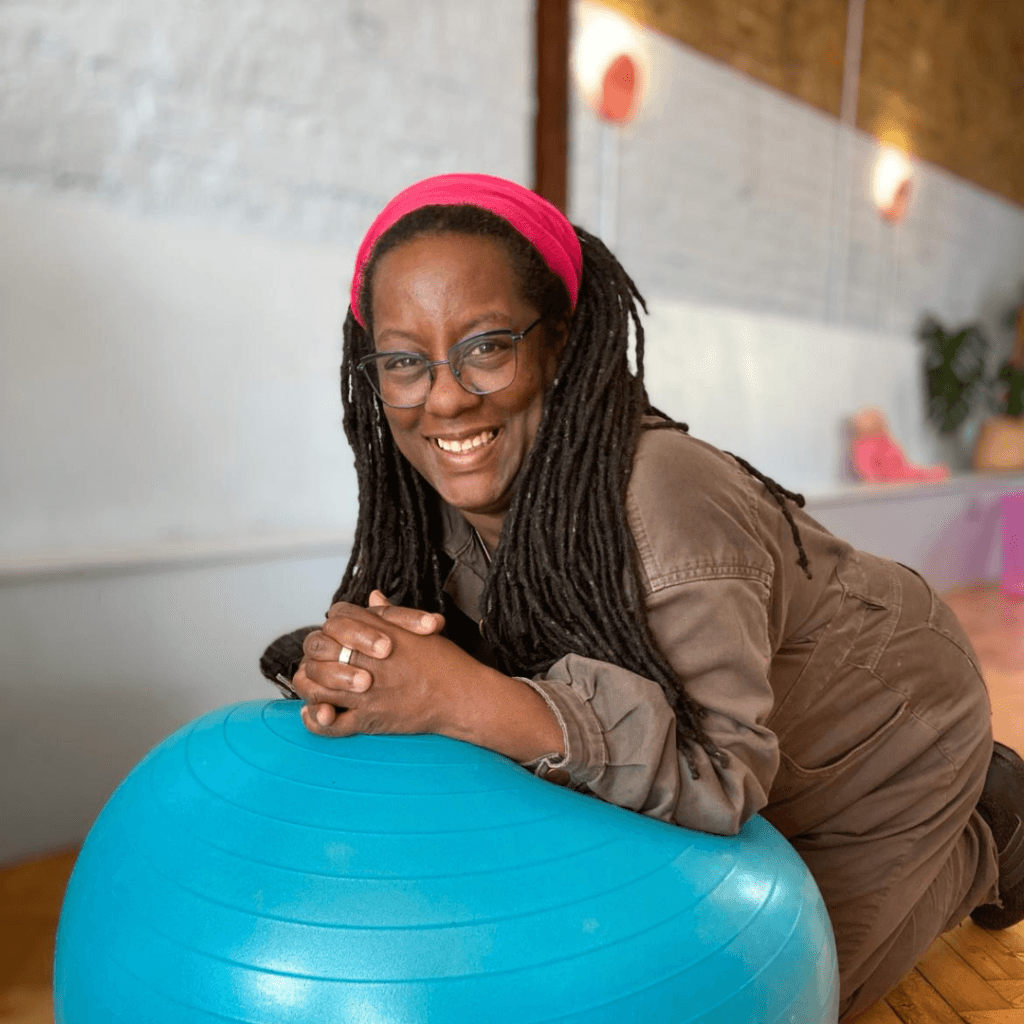
What Doula UK Approval Doesn’t Tell You Abuela Doulas is not a Doula UK approved course and I get asked about that more than almost anything else. It feels easier to answer it here than simply in an FAQ What approval actually measures A Doula UK approved course follows the Doula UK Core Curriculum. It’s assessed by an independent assessor against that curriculum, and the course is led by an experienced doula and trainer. Once the assessment is completed, they are invited to join Doula UK as a member. This process tells a prospective student that a course covers a defined curriculum and that someone has looked at it. What it doesn’t tell you is whether that curriculum was built with Black and Brown people in mind., or whether the assessor who signed it off understands what it costs a Black woman/birthing person, or doula, to be dismissed in a delivery room, or whether “inclusivity training” as a tick box produces anything different in how a doula actually shows up. What it doesn’t measure Doula work in the UK is unregulated. There is no legal qualification that you need. Approval is a membership stanadard set by one organisation, not a floor for the whole profession, and it was never built to answer the question Black and Brown women and people are actually asking when they come to me: “will this doula understand what’s happening to me, or will I have to explain racism to them whilst I’m in labour?” A course can follow the curriculum, pass its assessment, and still teach cultural safety as one afternoon module bolted onto a birth physiology day. What we see is that complicance with someone else’s curriculum tells you a course exists inside their framework. What it doesn’t tell you is whether that framework was built with your body in the room. When Birthwork Calls Anti-racism pathway Birth Doula courses Postnatal Doula courses I’ve watched what Doula UK approval does and doesn’t stand for. It does not stand consistently for marginalised communities, and I’m not interested in asking permission from a body that hasn’t show me it will hold that line, to validate work that already holds it. “I’m not interested in asking permission from people who build without us in mind.” Why I built a different standard Abuela Doulas is the UK’s first Black owned and led doula training organisation. I didn’t build this to fit inside an existing curriculum with a module added for diversity. Anti-racism is the architecture the whole course runs through: how you’re taught, what you’re taught and how the room is held when harm shows up in it. Every other course I could find added a cultural competency session. I built the Abuela Doulas course around it. That’s a harder thing to build and a harder things to assess, because there’s no external body checking it. I’m the standard. I’ve had twenty-two years in this work, trained initially by Michel Odent and Liliana Lammers (Paramanadoulas), I had a seat on RCOG Race Equality Taskforce, and every Black, Brown, queer, disabled and marginalised student who’s come through this training came because they knew it would be a safe space for them and because they couldn’t find what they needed anywhere else. It’s a body of work that you can check yourself. I have the receipts. What you actually get When you train with Abuela Doulas, you leave with a certificate as an official Abuela Doula. You don’t leave with Doula UK membership, because that was never the offer. What you leave with is training that treats justice as the foundation and a facilitator relationship that doesn’t end when the course does. If you’re comparing training providers and Doula UK approval is on your checklist, ask what it’s actually measuring before you let it decide for you. Ask who builds the curriculum, who it was built for and whether the course you’re looking at was designed around your community, or fitted your community into a template buillt for someone else. Abuela Doulas is built around Black and Brown people because that’s who kept walking through the door needing something no one else was offering. That’s the standard and I’m standing ten toes down.
The Nottingham Report Has a List of Actions. Here Is Why That Is Not Enough
The 2015 government pledge to halve maternal and neonatal deaths by 2030 is unmet. There have been reports before this one, with essential actions before these ones, and the racialised mortality gap has not closed. We are not saying nothing changes. We are saying it has not changed enough, and this report does not explain what is structurally different this time.
20+ years in birthwork – What has changed, and what urgently needs to
The language has changed. The awareness has increased. The figures have not moved in proportion.
Knowing the problem exists is not the same as fixing it. Saying the right words at conferences is not the same as changing what happens in the birth room, in the postnatal ward, in the moment when a Black woman says she is in pain and is not believed.
The gap between acknowledgment and action is where families are still being failed.
What’s actually covered in Abuela Doulas training – A full breakdown
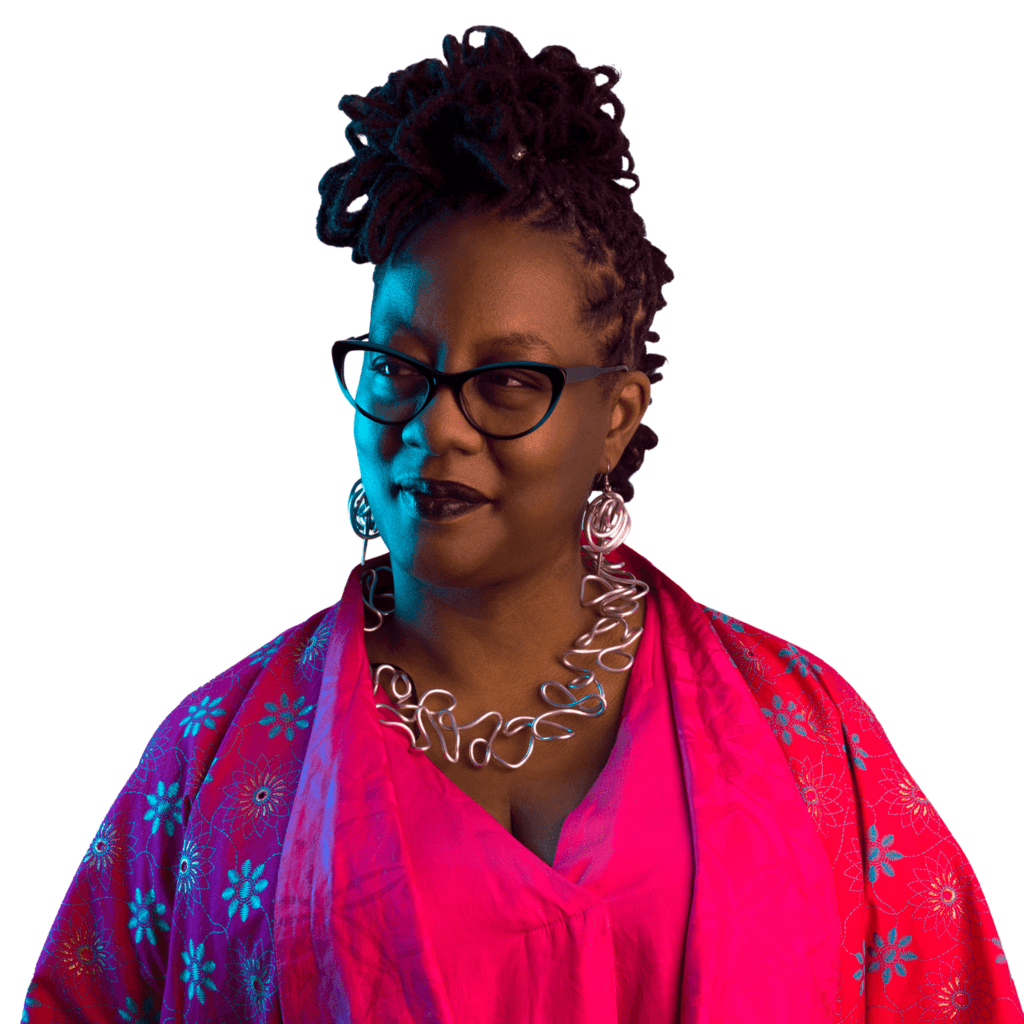
The intersectionality embedded in the curriculum: disability, sexuality, gender identity, body size is not a separate module. It is present throughout. Because inclusive practice is not a topic. It is a way of working.
What does it really mean to train as a doula in the UK?
When people ask whether doula training is worth the cost, they are usually asking something more specific: will I get clients? Will I be able to build a practice? Will this change anything?
How Much Does Doula Training Cost in the UK – And Is It Worth It?
When people ask whether doula training is worth the cost, they are usually asking something more specific: will I get clients? Will I be able to build a practice? Will this change anything?
Why Listening is Life-Saving in Maternity Care
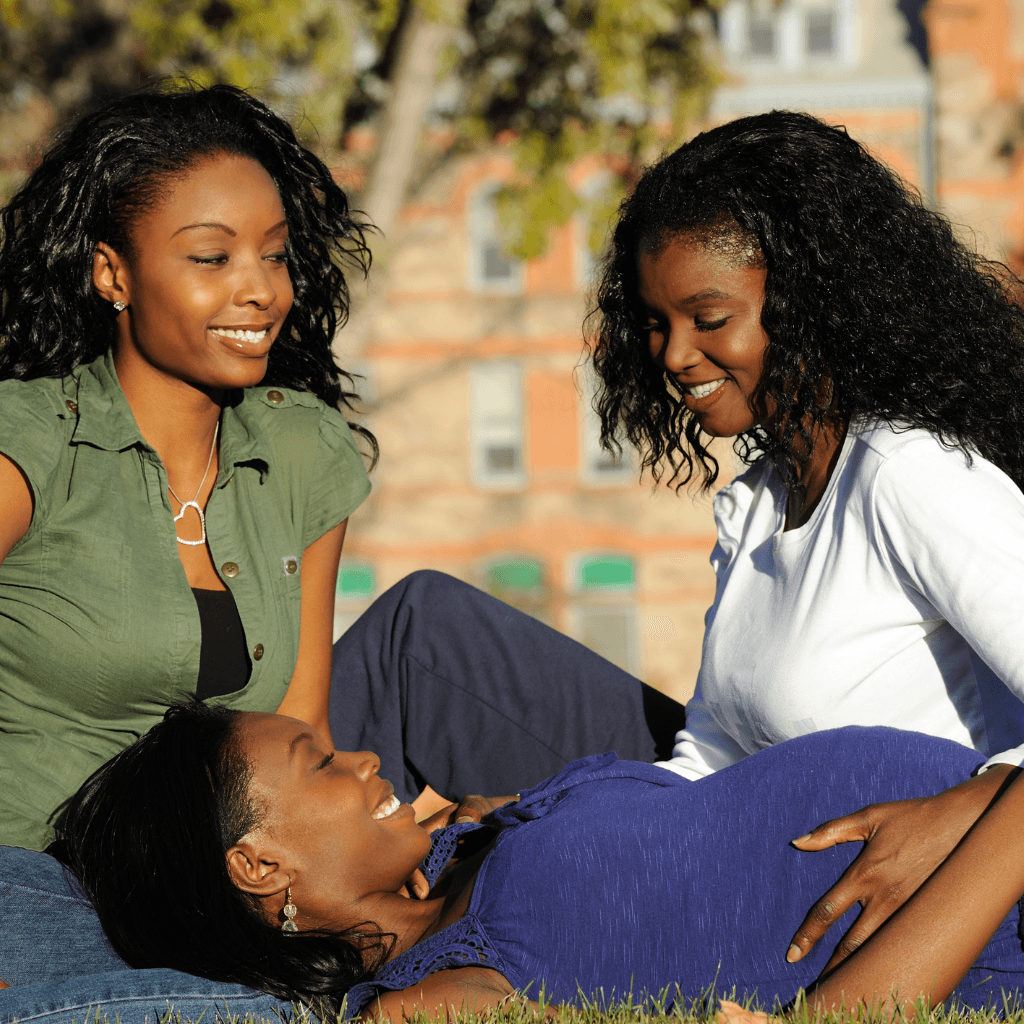
You’d be surprised how many people say, “I wish someone had just listened to me.”
Not done something.
Not fixed it.
Just listened.
And when it comes to maternity care, listening isn’t a luxury. It’s a lifeline. UK Doula training with Abuela Doulas teaches doulas to listen, deeply.